Comments
from Mr. PGC: Throughout
history, many people have made lasting contributions to the
world of plants. In these pages, we hope to pay tribute to
some of them. Our concentration will be primarily on those
who have introduced plants to the gardening world, those who
have helped spread the word about gardening and those who
have made significant contributions to landscaping and
landscaping design around the world.
This list will be constantly growing as we add
new names. If you have someone who you think should be on
the list, please send us an
Email.
|
|
 |
 |
-
Maack, Richard
-
Macleay,
Alexander
-
Magnol, Pierre
-
Makino, Tomitaro
-
Marot, Daniel
-
Masson, Francis
-
Matteuci, Carlo
-
Mattioli,
Pietro Andrea
-
Maximowicz, Carl
-
McIntosh, John
|
-
Menzies, Archibald
-
Meyer, Frank L.
-
Miller, Philip
-
M'Mahon, Bernard
-
Mollet, André
-
Monardes, Nicolas
-
Monet, Claude
-
Montgomery,
Robert
-
More, Sir Thomas
-
Morel, Francisque
|
 |
|
Francis
Masson |
|
|
|
|
 |
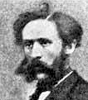 This Russian professor made several plant
explorations to eastern
Asia
including areas of
Russia and
Siberia. This Russian professor made several plant
explorations to eastern
Asia
including areas of
Russia and
Siberia.
Plants associated with him include
Euonymus maackii,
Lonicera maackii
and
Prunus maackii.

|
|
|
|
 |
|
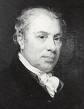 Originally
from
Scotland, Macleay eventually found his way to London
where he became a prominent wine merchant. His interest in
entomology as a hobby led him to become Secretary of the
prestigious
Linnaean Society.
Macleay also served as the Colonial Secretary for New South
Wales in
Australia. Originally
from
Scotland, Macleay eventually found his way to London
where he became a prominent wine merchant. His interest in
entomology as a hobby led him to become Secretary of the
prestigious
Linnaean Society.
Macleay also served as the Colonial Secretary for New South
Wales in
Australia.
The plant genus,
Macleaya,
aka plume poppy, was named for him.
|
|
|
|
 |
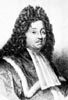 Magnol
was a French botanist and physician who was the Director of the Royal
Botanic Garden of Montpellier, France. He made significant
contributions to developing the current botanical scheme of plant
classification in the area of plant families. Magnol
was a French botanist and physician who was the Director of the Royal
Botanic Garden of Montpellier, France. He made significant
contributions to developing the current botanical scheme of plant
classification in the area of plant families.
The plant family,
Magnoliaceae,
aka
Magnolia, was named in his honor.
|
|
|
|
 |
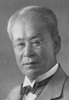 Japanese
botanist responsible for naming and describing many
plants native to the islands of
Japan. Japanese
botanist responsible for naming and describing many
plants native to the islands of
Japan.
Plants named for him include
Gentiana
makinoi,
Polystichum makinoi,
Sedum makinoi and
Rhododendron makinoi.
|
|
|
|
 |
 Marot was a French
Huguenaut landscape designer who fled to the
Netherlands after the
revocation of the Edict of Nantes in 1685 in
France. He is associated with
the magnificent Het Loo Palace baroque garden in the Netherlands.
In
England, he worked on the Great Parterre at
Hampton Court
Palace which had been
laid out for Prince William of Orange (1650-1702) and Princess
Mary II (1662-1695). Marot was a French
Huguenaut landscape designer who fled to the
Netherlands after the
revocation of the Edict of Nantes in 1685 in
France. He is associated with
the magnificent Het Loo Palace baroque garden in the Netherlands.
In
England, he worked on the Great Parterre at
Hampton Court
Palace which had been
laid out for Prince William of Orange (1650-1702) and Princess
Mary II (1662-1695).
He was known for achieving a high degree of unity by
using similar designs in different ways in stucco ceilings, garden
parterres, wrought ironwork, silk wall hangings, garden urns and
ceiling paintings. Designs attributed to him may
also be seen at
Leiden Botanic Garden, Kasteel Rosendael, Clingendael and
Queekhoven.
|
|
|
|
 |
A Scotsman from Aberdeen, Francis Masson was the first
professional plant collector sent out on behalf of
the
Royal
Botanic Garden at Kew. He made
collections in the Cape of Good Hope at the southern tip of
Africa including many of the
Erica and Stapelia species. He also visited the
Canary Islands, the Azores, the West Indies and
Canada on plant
expeditions.
Masson is credited with adding around 400 new species to the Kew collection including
Protea cynaroides
'King Protea' and
Trillium grandiflorum.
|
|
|
|
 |
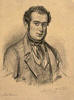 The genus,
Matteucia, is named for
this Italian scientist. This is a small group of plants in
the Family,
Polypodiaceae. The genus,
Matteucia, is named for
this Italian scientist. This is a small group of plants in
the Family,
Polypodiaceae.
|
|
|
|
 |
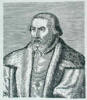 The genus,
Matthiola
(Stocks),
which is a member of the
Brassicaceae Family,
is named for this Italian botanist and doctor. The genus,
Matthiola
(Stocks),
which is a member of the
Brassicaceae Family,
is named for this Italian botanist and doctor.
|
|
|
|
 |
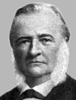 This
Russian botanist worked at the botanic garden in St.
Petersburg and went on journeys to
Asia,
South America and
other places in search of plants. This
Russian botanist worked at the botanic garden in St.
Petersburg and went on journeys to
Asia,
South America and
other places in search of plants.
Plants
associated with him include
Acer maximowiczii,
Allium
maximowiczii,
Ampelopsis brevipedunculata var. maximowiczii,
Betula maximowiczii,
Euonymus maximowiczianus,
Geranium maximowiczii,
Populus maximowiczii,
Primula maximowiczii,
Tulipa linifolia
Maximowiczii Group and
Weigela maximowiczii.
|
|
|
|
 |
He was the
Canadian farmer who is credited with discovering and
propagating the
McIntosh variety of apple (Malus).
|
|
|
|
 |
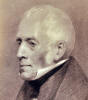 Naval
surgeon and botanist, sailed on Captain George Vancouver's ship, 'Discovery', on its
voyage of exploration to the
Pacific Northwest of North America
in the 1790s. He was the
first European botanist to see the colossal conifers of the Pacific coast.
He also explored plants in parts of
Europe,
North America
&
South America, Chile and
Canada. Naval
surgeon and botanist, sailed on Captain George Vancouver's ship, 'Discovery', on its
voyage of exploration to the
Pacific Northwest of North America
in the 1790s. He was the
first European botanist to see the colossal conifers of the Pacific coast.
He also explored plants in parts of
Europe,
North America
&
South America, Chile and
Canada.
Plant explorer,
David Douglas,
honored him with the Latin name of the Douglas fir (Pseudotsuga menziesii).
Other plants associated with him include
Ribes speciosum,
Lubinus arboreus,
Arbutus menziesii, Nothofagus menziesii,
Sanguisorba menziesii,
Nemophila menziesii, and
Delphinium menziesii.
|
|
|
|
 |
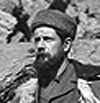 Born in the
Netherlands, he worked for the United States Department of
Agriculture's Plant Introduction Station in
California.
Starting in 1905, he made several plant collection trips to
China,
Russia,
Europe and
Japan. Meyer is credited with
introducing over 2,500 plants to the
United States including several
fruiting species such as apricots and wild pears. The Meyer
Lemon (Citrus
meyeri) was one
of his more famous introductions. Born in the
Netherlands, he worked for the United States Department of
Agriculture's Plant Introduction Station in
California.
Starting in 1905, he made several plant collection trips to
China,
Russia,
Europe and
Japan. Meyer is credited with
introducing over 2,500 plants to the
United States including several
fruiting species such as apricots and wild pears. The Meyer
Lemon (Citrus
meyeri) was one
of his more famous introductions.
While on a
trip to China in 1918, he drowned in an accident on the Yangtze River.
|
|
|
|
 |
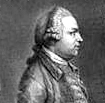 A Scotsman, who succeeded his father as Curator of the
Chelsea
Physic Garden, Philip Miller was curator for sixty years, and made the garden
the finest of its kind in
Europe. His massive volume, Gardener's
Dictionary, later enlarged by Thomas Martyn, was the standard
work on gardening in
Europe and
North America for the 18th century. A Scotsman, who succeeded his father as Curator of the
Chelsea
Physic Garden, Philip Miller was curator for sixty years, and made the garden
the finest of its kind in
Europe. His massive volume, Gardener's
Dictionary, later enlarged by Thomas Martyn, was the standard
work on gardening in
Europe and
North America for the 18th century.
|
|
|
|
 |
M'Mahon was a prominent early American
horticulturist. He worked with the plant specimens collected
by
Lewis and
Clark on their famous expedition to the
Pacific
Northwest in 1806. The genus,
Mahonia (Oregon Grape Holly) was named for him by
the plant explorer,
Thomas Nuttall.
|
|
|
|
 |
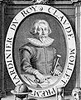 Mollet
was a Frenchman who came from a family distinguished as gardeners
for three generations. He was the first garden writer to advocate
planting great avenues lined with trees. His book, Le Jardin de Plaisir
(1651) set out the principles of French garden design. Mollet
was a Frenchman who came from a family distinguished as gardeners
for three generations. He was the first garden writer to advocate
planting great avenues lined with trees. His book, Le Jardin de Plaisir
(1651) set out the principles of French garden design.
After the Restoration, English King Charles II
appointed Mollet head gardener at St James about 1661, and under him the
place was transformed in accordance with the French ideas, i.e. the
great avenues planted and the canal dug.
|
|
|
|
 |
 Spanish botanist whose
name was given to the genus,
Monarda (Beebalm
or Bergomot). Spanish botanist whose
name was given to the genus,
Monarda (Beebalm
or Bergomot).
|
|
|
|
 |
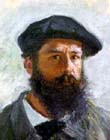 A
leading middle-class painter of the Impressionist movement, Monet
was also an accomplished botanist and a keen gardener. Starting in
1883, he transformed his garden at
Giverny,
France, into the subject for many of his immortal paintings. A
leading middle-class painter of the Impressionist movement, Monet
was also an accomplished botanist and a keen gardener. Starting in
1883, he transformed his garden at
Giverny,
France, into the subject for many of his immortal paintings.
“My garden is slow work, pursued with love, and I
do not deny that I am proud of it. Forty years ago, when I
established myself here, there was nothing but a farmhouse and a
poor orchard. I bought the house and little by little I enlarged
and organized it. I dug, planted, weeded, myself in the evenings
the children watered.” In 1924, two years before his death,
Monet said: “I perhaps owe having become a painter to flowers.”
- Claude Monet
|
|
|
|
 |
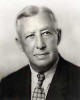 Montgomery was an accountant, attorney and successful businessman
with a passion for plant collecting. With the guidance of
David Fairchild, he pursued the dream of creating a
botanical garden in Miami,
Florida, the one of the few places in the continental
United States where tropical plants could grow outdoors year-round. Montgomery was an accountant, attorney and successful businessman
with a passion for plant collecting. With the guidance of
David Fairchild, he pursued the dream of creating a
botanical garden in Miami,
Florida, the one of the few places in the continental
United States where tropical plants could grow outdoors year-round.
Opened to the public in 1938,
Fairchild Tropical Botanic Garden was established on
an 83-acre site south of Miami purchased by Montgomery
and later deeded in large part to Miami-Dade County.
The garden was designed by renowned
landscape architect William Lyman Phillips, member of the
Frederick Law Olmsted partnership, and the leading landscape
designer in South Florida during the 1930s.
|
|
|
|
 |
 At his Chelsea home,
More had one of the most noted gardens in
England. This garden occupied the site of what, until 1876, was
Chelsea Park, now the Elm Park estate. A great avenue in Sir
Thomas' garden led to the Thames River, where he kept his eight
oared barge which he used for going to Whitehall and the City. At his Chelsea home,
More had one of the most noted gardens in
England. This garden occupied the site of what, until 1876, was
Chelsea Park, now the Elm Park estate. A great avenue in Sir
Thomas' garden led to the Thames River, where he kept his eight
oared barge which he used for going to Whitehall and the City.
Sir Thomas More's name is always associated with rosemary, of
which he wrote: "As for rosemarie I let it run all over my
garden walls, not only because my bees love it, but because it is
the herb sacred to remembrance and to friendship whence a spray of
it hath a dumb language."
|
|
|
|
 |
French nurseryman and
clematis breeder from
Lyon,
France. His clematis introductions include Clematis 'Ville
de Lyon', Clematis 'Comtesse de Bouchaud' and Clematis 'Perle
d'Azure'.
|
|